If you buy through our links, Amazon pays us a small commission at no extra cost to you. It never affects our scores. How we are funded.
A helmet camera captures the ride exactly as you see it. Choosing the right one comes down to four things: stabilisation, battery, low-light image and how it mounts.
What makes a good helmet camera
- Stabilisation: essential with engine and road vibration.
- Battery life: enough for a whole ride, even in the cold.
- Low-light image: for tunnels, woods and winter afternoons.
- Weight: less weight on the helmet means less leverage in the wind.
- Water resistance without a case, for British weather.
Where to mount it on the helmet
- Chin mount: the most natural point of view, showing the dash and the road. It is also the most stable, because your head soaks up vibration.
- Side of the helmet: easier to fit, but more exposed to the wind.
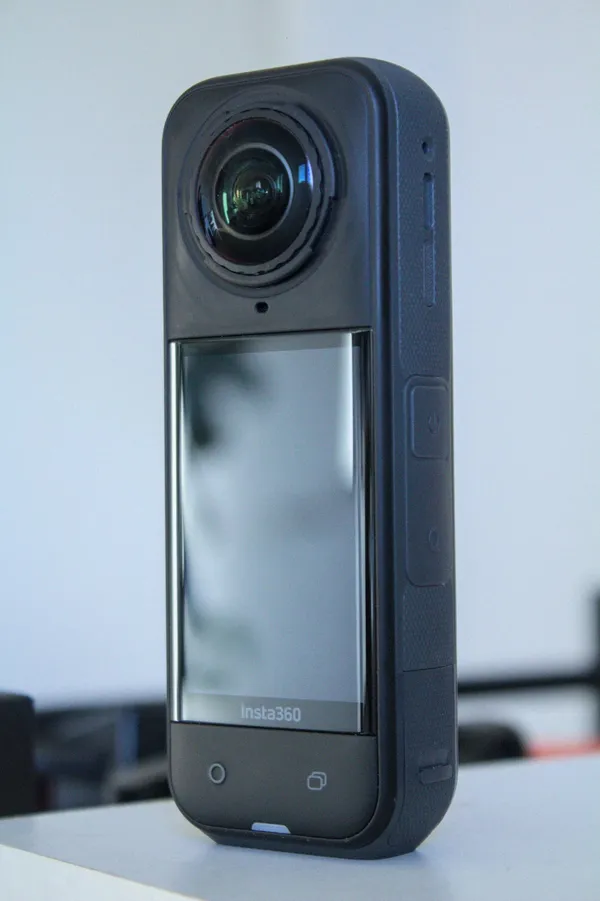
- Top of the helmet: popular with 360 cameras; more leverage on your neck.
Some helmet makers warn that stick-on mounts can affect the warranty. Check your helmet’s manual, or mount the camera on the bike instead.
Recommended settings
- 4K at 30 or 60 fps, or 1080p if battery life is your priority.
- Stabilisation on and, if available, horizon levelling.
- A V30 or faster microSD card.
- Set everything before you ride: never fiddle with the camera on the move.
Our picks
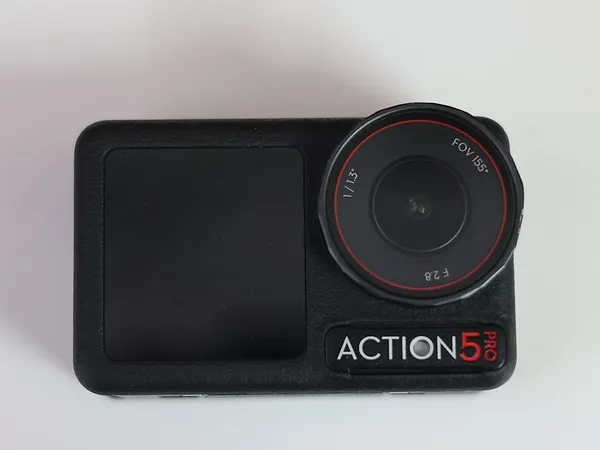
Compare them in DJI Osmo Action 5 Pro vs GoPro HERO13 Black.